Direct Service Lodge Formed
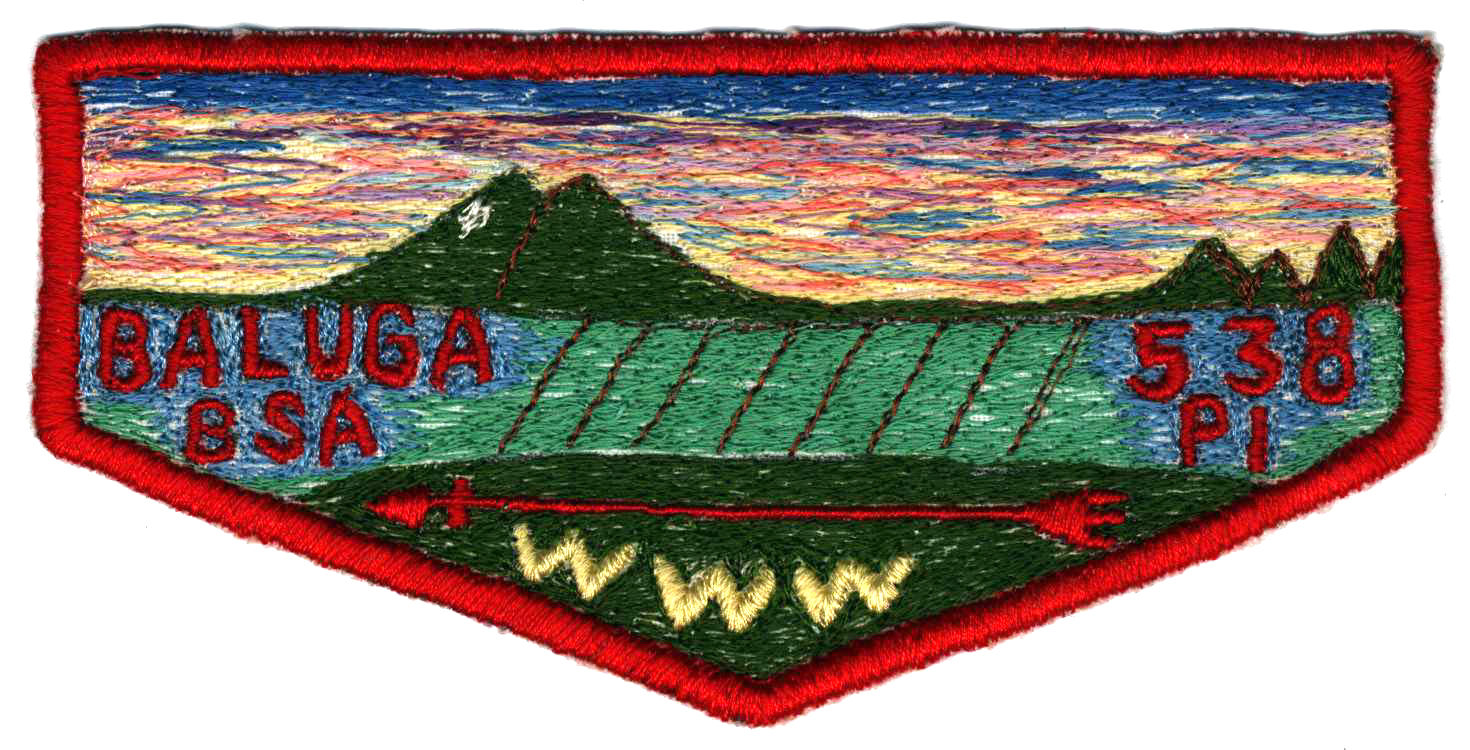 On May 1, 1962 Gamenowinink Lodge was chartered for BSA members in Direct Service Council. The lodge did not become functional until 1968. Direct Service Council was created for members of the BSA not served by local Scout Councils domestic or abroad. Generally these were Americans and their dependents stationed on military or diplomatic duty, but also included Americans abroad for business opportunities. Any group of five or more Arrowmen served by Direct Service Council could form a chapter. With the formation of Gamenowinink Lodge the O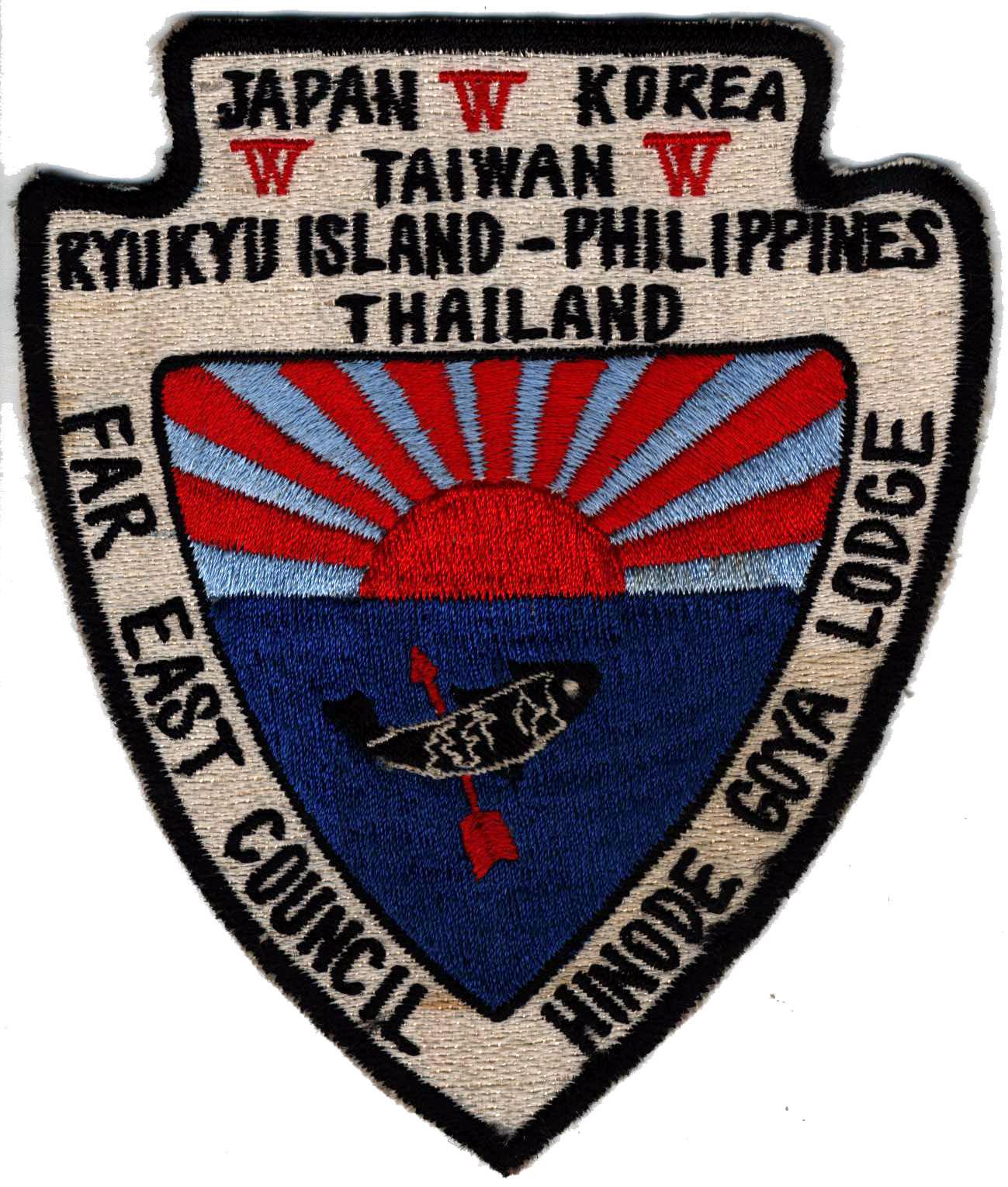
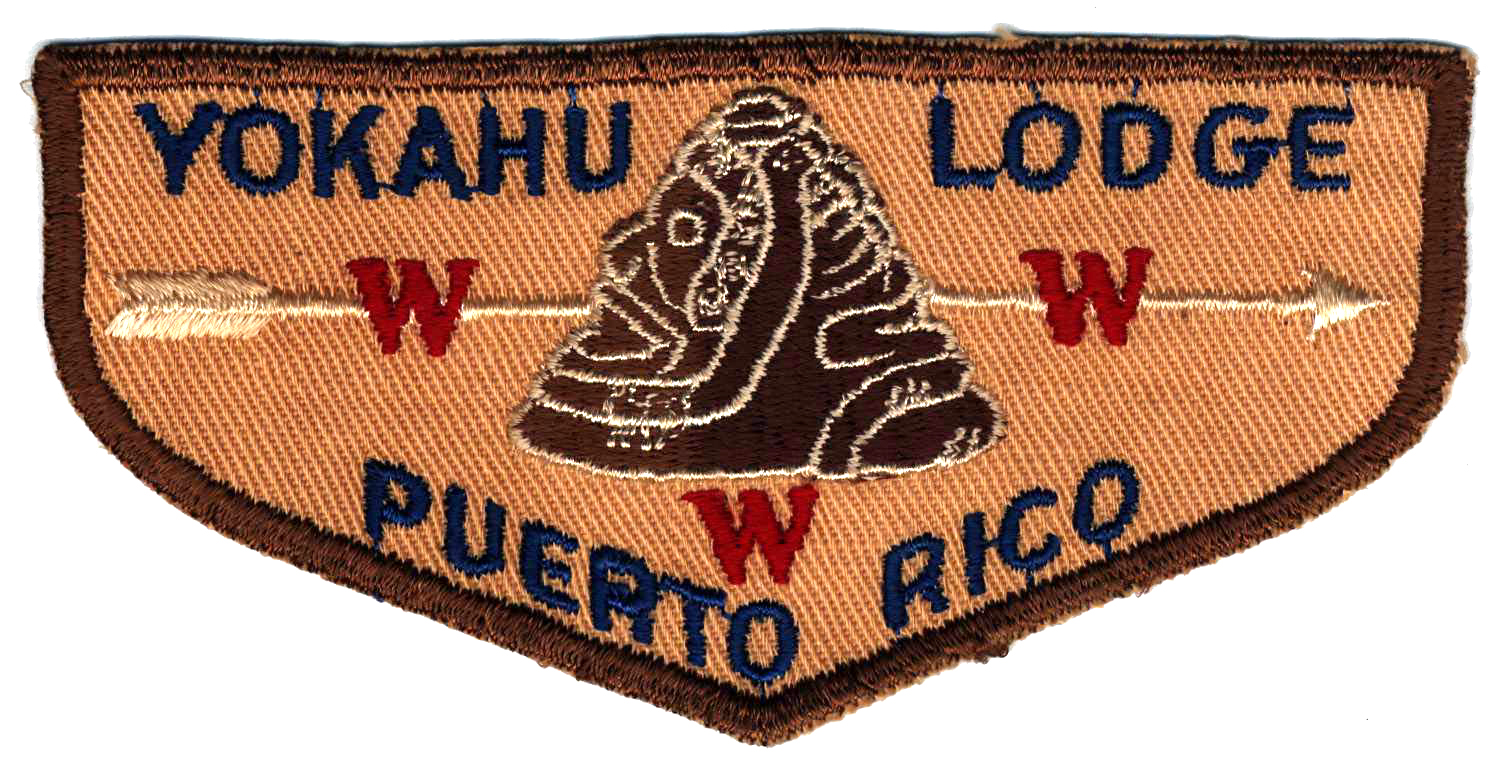
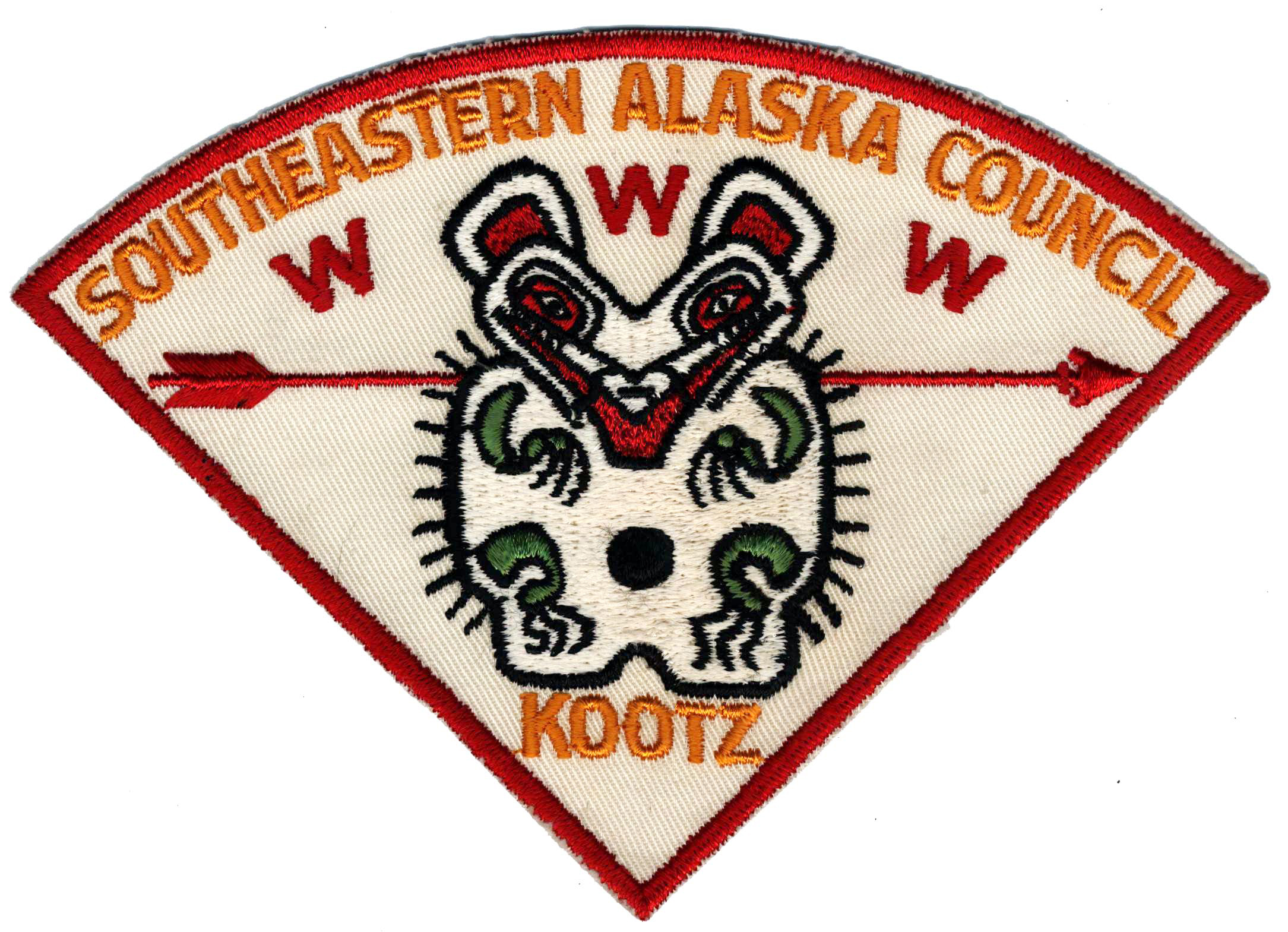 A was present throug
 hout the world.
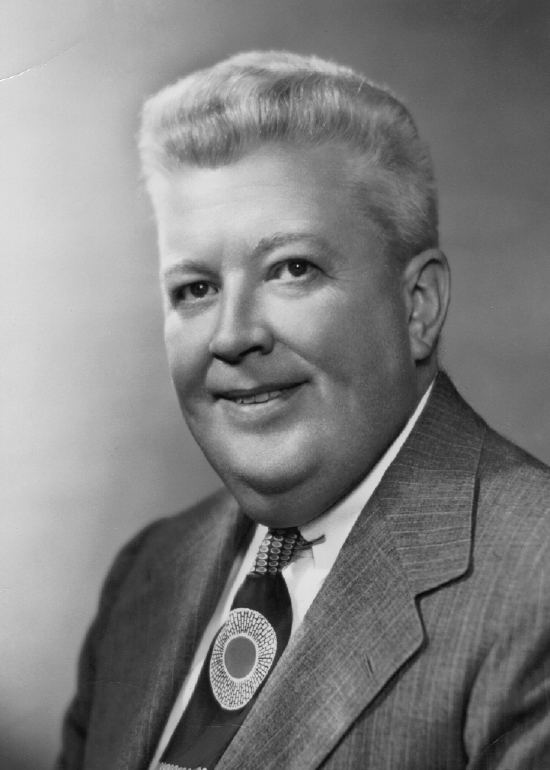 Nelson joined
 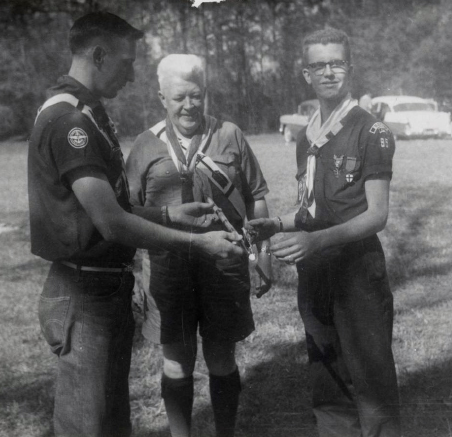 He was inducted into the OA in the teens and was at the very first
 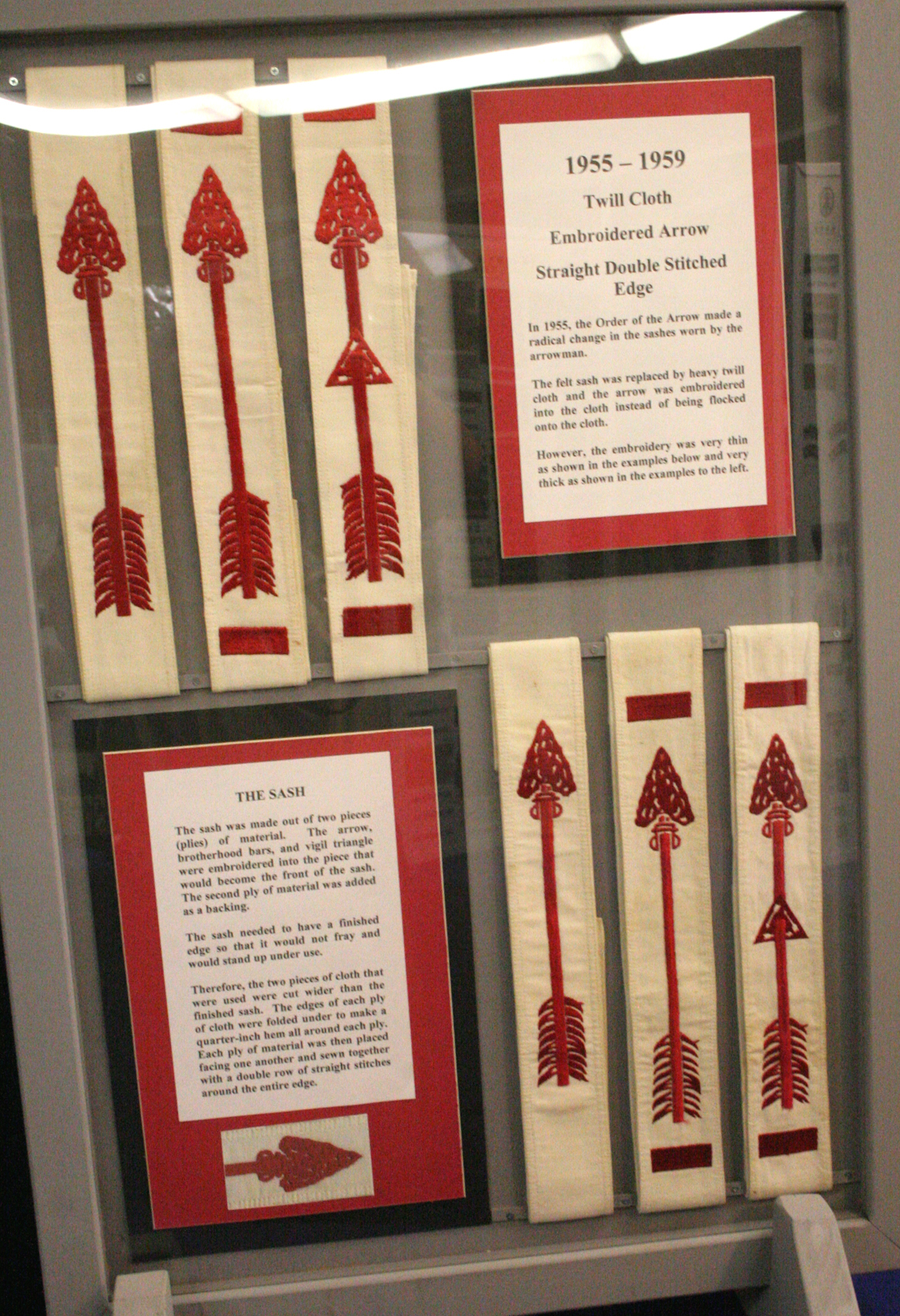 more uniformity in the sashes, arrows, and snaps. The sash material remained the wool-felt composition, but the arrows were silk-screened flocked onto the sash. The flocking of crushed felt used in the silk-screen process left a fuzzy textured arrow.
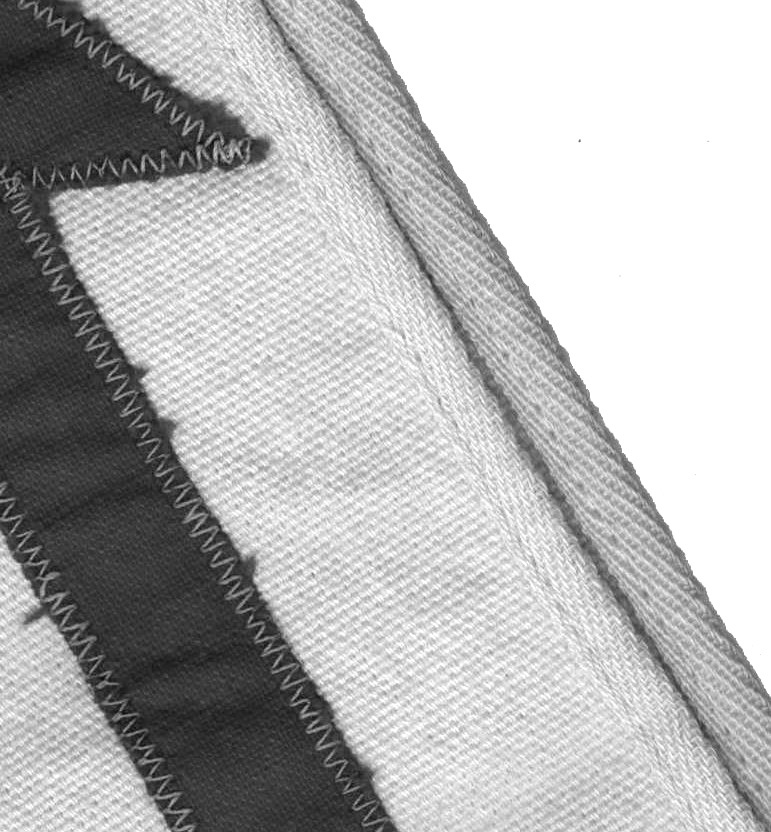 m the wool felt sash and the silk-screened arrow to a twill material sash with the arrow embroidered onto the twill material. The sash had two plies of material. The top ply had the arrow embroidered onto it and the bottom ply was a backing. The two plies were sewn together with a double tracking of thread that resembled a train track.
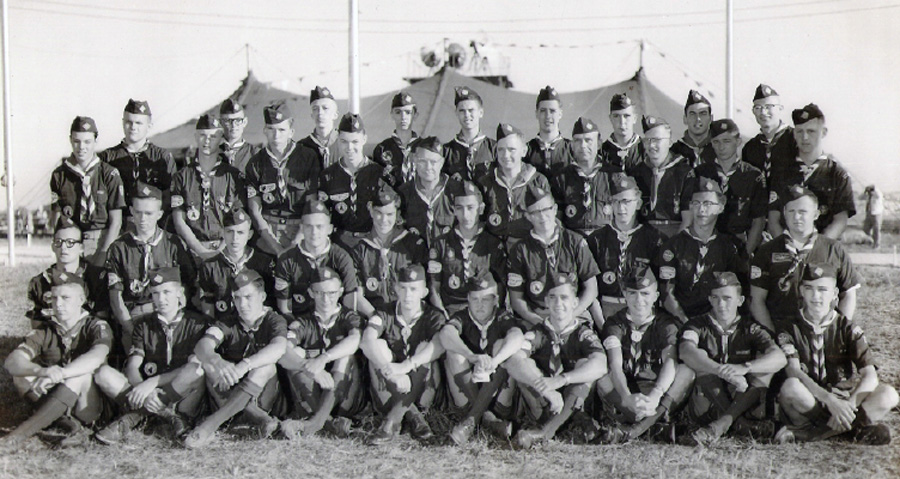 s provided as at the two previous Jamborees.
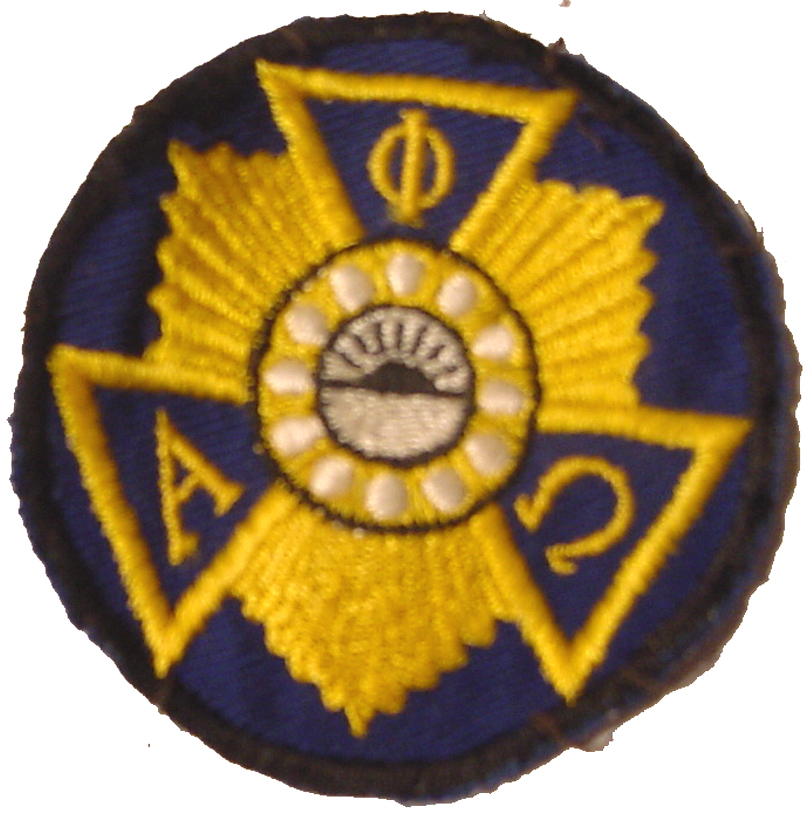 ojects wherever they were needed.
 Because the scheduled site for the